Is Your Company Responsible For An Robot Vacuum Cleaner Budget? 12 Ways To Spend Your Money
A Robot Vacuum Cleaner Review A robot vacuum can take a lot out of your to-do list and let you do other things. But it's important to remember that robots aren't a complete replacement for a regular full-size vacuum. The dustbins of robot vacs are smaller than those in traditional vacs, and therefore require emptying more often. Find cleaning robots that self-empty docking stations to eliminate the need for manual emptying. 1. They're simple to use Robots might not be capable of achieving the capabilities of a full-size vacuum cleaner, but they can still do a good job in removing any kind of particle, from fine ones such as sand or baking soda, up to larger debris like metal screws and pet hair. Because they are smaller than the majority of vacuums, they are able to fit under couches and ottomans to reach crevices where most models cannot. The majority of robots utilize different sensors to map and navigate the floor. Infrared, laser and camera-based systems are the most common. The information from these sensors are merged with mapping algorithms to create an interactive map of your home, which guides the robot to clean up in a planned manner, while avoiding missed spots. You can also set “no-go zones” using the app to ensure that the robot is kept away from areas that require extra care such as children's playpens, dog beds and bowls. Once the robot has mapped your home, it's now ready to get to work. When it walks across the floor, its main brush collects dirt and dust. Side brushes clear debris from edges and corners. Some of our best models come with rotating mopping pads that can be used to clean dried-on food residue and spills. While robotic vacuums are less difficult to maintain than full-size vacuums but you must keep up with regular maintenance to ensure they work as well as they can in the long term. This involves emptying the bin after each cleaning session, and removing tangled hairs (especially for models with bristle brushes that are susceptible to knots) from the brushes. You should also wipe down the docking station for your robot and battery regularly to get rid of dirt. 2. They're secure Robot cleaners are equipped with sensors that alert them when they're in close proximity to an object. This ensures your pets or furniture won't be sucked into the machine. They have stair detection, which helps them avoid falling and maps safe routes for your floors. Some robot vacuums have virtual walls that let you define the boundaries of the device. Another reason to trust a robot vac is the fact that it's unlikely to damage your establishment's wooden floors. They are typically designed with rubber wheels and soft brushes to prevent scratching the surface. That said, it's important to protect your home and office prior to buying one. You'll need to remove things like socks, pet toys, slippers as well as larger power cables from the floor. Keep the rugs in good order so that they don't get caught in the vacuum nozzle. If you decide to purchase a model that also offers mopping functionality, it's important to be cautious around floor plugs and electrical outlets. Mopping and water do not mix so it's best to keep your device away from these areas during cleaning sessions. You can also set boundaries in the app for your robot using a “no mop zone” feature. Robot vacuums aren't different from other electronic devices. They're more complicated than standard vacuums and come with more moving parts, meaning they are more susceptible to breaking down or become erratic occasionally. However, many robotic vacuum manufacturers offer one- or two-year warranties. If you follow the manufacturer's guidelines regarding maintenance, your device should last longer. 3. They're convenient 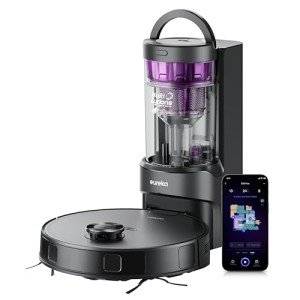 Robot vacuum cleaners can be programmed to work in a way that cleans your home according to an agenda you set. They are small and compact in design, which makes them easy to store when not in use. They are also typically equipped with a docking station at which they can recharge. This means that you don't have to worry about unwinding the cord, towing it around the house, or finding an outlet. They're also less costly than conventional vacuum cleaners. While robot vacuum cleaners excel in general, automated cleaning, they're not the complete replacement for a manual cleaner. They're not able to pick up large amounts of dirt, and they can become stuck in soft carpet fibres. It's best to keep a regular vacuum on hand for big cleaning tasks. Robot vacuum cleaners, on the other hand are ideal for smaller tasks like sweeping and vacuuming areas with little traffic. They are especially beneficial for homes that have a lot of pet hair. It is crucial to keep in mind that your robot vacuum will still require maintenance from time-to-time. This involves cleaning the rotating brushes to eliminate hair that has become tangled cleaning the dust bin after each cleaning session, and cleaning or replacing the filter. You can expect your robot to work for many years if you take care of it properly. Many manufacturers we have spoken about their experiences with customers using their robot vacuums for more than 10 years. As long as you stick to the maintenance procedures and clean and move the robot regularly (it may lose its grip over time) Also, replace parts such as wheels and batteries the robot will run well for many years. 4. They're eco-friendly Robot vacuum cleaners are more energy efficient than conventional models and can help save money on your electricity bills. The modern technology of these robot vacuum cleaners is responsible for the decreased energy consumption. This technology includes sensors and cameras which help them navigate with precision. LiDAR-based systems, for example, use lasers to scan the surroundings and map rooms, which ensures the highest efficiency. Camera-based systems incorporate optical cameras to form a visual map, however this can be difficult in dim lighting. Sensor-based systems are suitable for most homes, but can miss difficult-to-reach places and use more energy. They also have sensors that prevent them from falling, and large-area maps that allow them to clean a larger area in one cleaning session. Recent advancements in robotic vacuum technology have improved their effectiveness in maneuvering around obstacles. For instance, a new generation of robots can detect furniture and other objects as they move about the room. These intelligent bots can pause and return to the exact spot where they left off. This makes sure that they have covered every inch of the space. The latest robotic vacuum cleaners are also more eco-friendly by using bio-mass-balanced and bio-recycled materials as well as post-consumer recycled (PCR) plastic to cut down on waste. The result is a light, durable and reliable cleaning device that offers both the performance of a vacuum cleaner with the design freedom. If you're concerned about the effect of your home habits on the planet, then consider a robot vacuum cleaner that is powered by solar panels. This kind of cleaner can aid you in living a more sustainable lifestyle, while also saving time and effort. It's important to remember that, just like any other cleaning appliance, robot vacuum cleaners do require regular maintenance. It is necessary to remove hairs that are tangled from their brushes, empty their dust bin after each cleaning session and regularly clean their cameras and sensors to ensure they function properly. 5. You can afford it There are plenty of options for you to consider for those who don't want to spend an enormous amount of money on the most modern, top-of-the-line robot vacuum cleaner. It's important to know what you're getting for your money. Budget robots tend to have lower warranties and less efficient customer service. This can result in the robot being more likely to malfunction and require costly repairs or replacements. Budget robots are also less likely to have the same level of intelligence built in that allows them to navigate around the house. Although obstacle avoidance and mapping technology has advanced but they're not foolproof. Some models are tripped by socks slippers, power cables and pet hair, even if they have been “robot-proofed” in your home. Additionally, budget robots often have smaller bins that require to be cleaned more often. This is true, especially when you have pets that shed fur and can leave a trail of fur on your floors. Another issue is that budget robots have a tough time dealing with dusty carpets, and may not be equipped to clean baseboards as well as expensive models. If you have shag-pile carpets that are very thick, the robot may become stuck and stop cleaning. If you are in the market for a robot, you should consider certain things that will make it more cost effective in the long run. Look for a robot with an extended battery life, a large bins and the capacity to charge and continue cleaning from where it left off. Also, look on the manufacturer's website for customer reviews to determine how happy customers are with their purchase. This way, you'll be able to determine that the product is worth the money.